|
 HOME
HOME
NEW SALES
BROKERAGE
SERVICE
MMS Staff
NEWS
SHIP'S
STORE
LOCATION
EMPLOYMENT
LINKS
| |
 |
You pull out a piece
of paper, scribble a few sentences and later, crumple the whole piece of
paper into a ball, and throw it in the trash.
Does this sound like something you might do? If so, you're not alone.
But maybe you don't realize just what goes into making a typical piece
of paper. Read on to find out. You may end up with a whole new
appreciation for buying recycled paper and recycling what you use. |
A Paper's Roots -
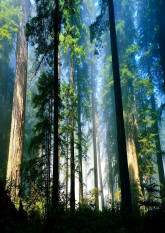
Each piece of paper has its roots someplace in a forest. In North America,
almost half of the trees cut down go into making paper. Most of these trees come
from tree plantations—large forested areas that have been planted where wild
forests once grew. Others are small young trees from wild forests. Plantations
and special tree farms are an efficient way to grow trees, but they aren't as
diverse or wild as native forests. One problem is that they often use a lot of
pesticides and fertilizers which can have adverse effects on the environment.
Many people believe, however, that these tree farms are important so that we can
keep the older, wilder forests we still have intact and protect the nation's
diversity of plants and animals. They believe that if we reduce our overall
demand on trees, we can get all the timber we need from existing plantations and
tree farms without making new ones or cutting in wild areas.
Once cut, trees are hauled
to the paper mill. There they're sent through a chipper, which chops them into
little pieces. After that, the wood chips are dumped into a digester, where
they're boiled in water and chemicals. That softens the wood, turning it into
slushy, sloppy pulp, which is bleached with more chemicals. Next, a mixture of 1
percent pulp and 99 percent water is sprayed onto a fast-moving mesh screen,
flattened, and dried. The paper-making process uses an exorbitant amount of
water- it takes more water to make a ton of "virgin" paper (paper made from
trees rather than recycled paper) than a ton of any other product made by U.S.
industries. Making pulp bright white requires the use of a chemical called
chlorine. When chlorine combines with wood pulp, a highly poisonous chemical
called dioxin is formed. Dioxin gets into the environment when water from a
paper mill is dumped into streams, rivers, and lakes. It also gets into the
environment when bleached paper is burned. The result is a buildup of dioxin in
our soil and water. Dioxin can move up through the food chain, affecting
wildlife and humans. It's been associated with lung cancer, birth defects, and
other serious health problems.
Now the paper reaches the
store where you, the consumer, buy it. How do you use the paper? Do you write or
print out a few words on each sheet of paper and then throw it away? Or do you
reuse the back side of the paper to make it last longer, and then recycle it?
Your choice has a big impact on the planet. If you throw your paper in the
trash, you use up landfill space. What's more, decomposing paper emits methane,
one of the most powerful greenhouse gases. Methane has more than 21 times the
heat-trapping power of carbon dioxide, and many scientists believe it's a very
serious contributor to global warming. More than 80 percent of discarded paper
currently ends up in landfills.
Let's face it, we all need
paper. And using trees to make paper and other wood products isn't necessarily a
bad thing. But taking just three simple steps can dramatically reduce the
environmental impacts of our paper consumption habit.
Buy recycled paper. Next time you go to buy paper, pick a brand that's not
just recycled but that has as much "post-consumer waste" (or PCW) as possible.
For example, you might see that a package of paper has 30 percent PCW or 50
percent. The higher the value, the more recycled pulp that went into making that
paper. When papermakers mix recycled paper into their batches of pulp, they
reduce their need to cut new trees. And they reduce their water and chemical use
because the pulp is already softened and bleached.
Reuse your paper.
Try to maximize your use of the paper you use. Did you print out a draft of your
presentation? Consider turning it over and writing on the other side. Only final
projects need to be on new paper, right? And maybe those can be double-sided,
too.
Recycle. To make
recycled paper, paper manufacturers need old paper. If you recycle, you'll be
keeping them supplied and keeping paper out of the landfill.
Try these three simple steps the next time you're buying paper, using it, or
getting ready to throw it away. They may be simple, but they'll go a long way
helping to protect wildlife, forests, and streams.
|
